
You’ve probably seen both terms thrown around, and honestly? They sound like the same thing. But they’re not. And that difference matters, especially if you’re about to drop money on your brows.
Let’s break down exactly what separates nano brows from microblading, why one lasts longer than the other, and which one might actually be right for you.
The Quick Answer
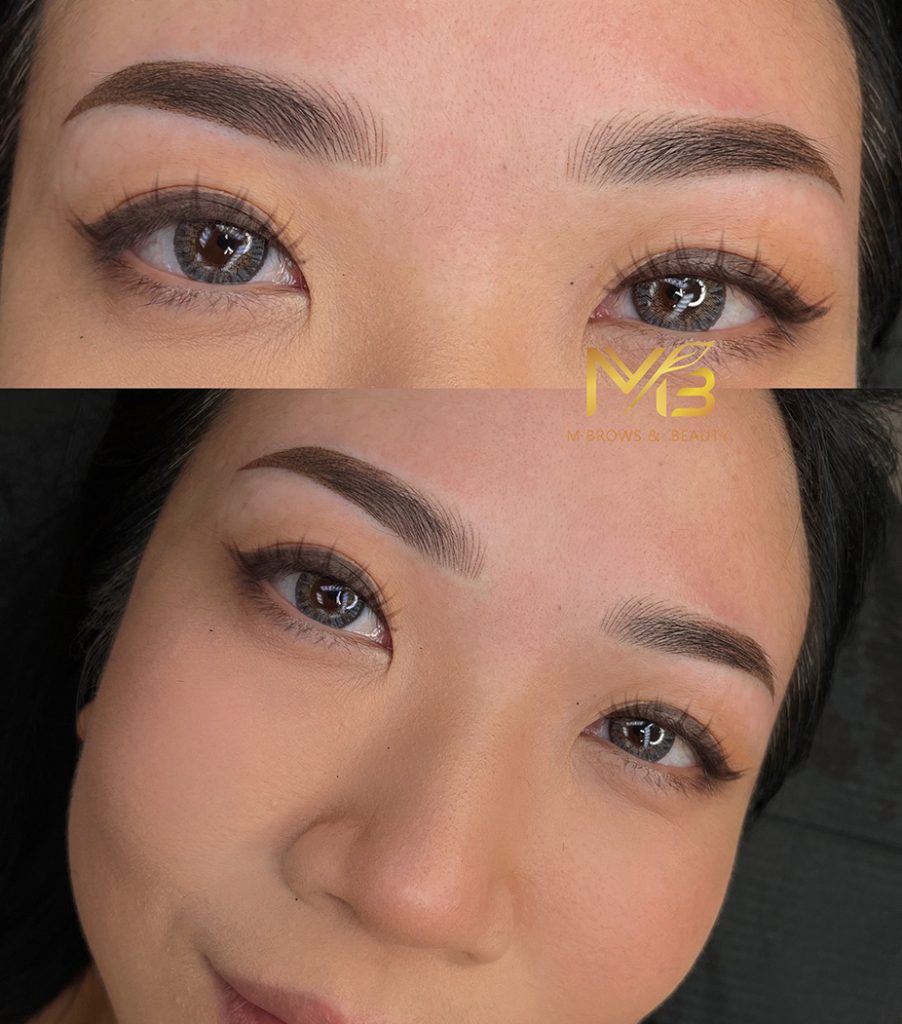
Nano brows use a digital machine with an ultra-fine needle (typically 0.25mm or 0.30mm) to deposit pigment into the skin in delicate hair-like strokes. Microblading uses a manual handheld tool with a small blade to cut strokes into the skin. Both aim to create realistic-looking brows, but nano produces a far more realistic finish than microblading.
Here’s the key: nano brows don’t necessarily last longer than microblading, but the hairstrokes stay finer and crisper as they age. Microblading strokes tend to bleed into the skin over time and blur into a block of colour, especially on oily or combination skin. Microblading only suits clients with smooth, healthy skin in good condition (and even then, only when done correctly).
But let’s dig deeper, because the devil’s in the details.
The Technique: Machine vs. Blade
Microblading: Manual precision
A microblading artist uses a handheld tool called a microblade — a row of tiny needles configured into a small blade shape. They manually slice hair-like strokes into the upper layer of the skin and deposit pigment into those cuts. Because it’s a fully manual cutting technique, the depth, pressure, and consistency depend entirely on the artist’s hand control on the day.
With a skilled, experienced technician, the initial results can look beautiful. With an inexperienced one, you might end up with uneven strokes, pigment that doesn’t settle properly, or strokes cut too deep — which is what causes them to blur and bleed into a block of colour as they heal and age.
Nano brows: Digital precision
Nano brows use a digital tattooing machine (similar to a regular tattoo gun, but far gentler) fitted with a single, ultra-fine needle — typically 0.25mm or 0.30mm. The machine delivers consistent needle depth and stroke speed, which is what gives nano its trademark crisp, fine hair-like result.
But don’t mistake the technology for ease. The artist’s skill is still the most important factor in the outcome — a nano machine in inexperienced hands will still produce disappointing results. The artist controls hand movement, pressure, stroke angle, brow mapping, pigment selection, and the depth settings on the machine itself. They also need to read how the skin responds throughout the session and adjust as they go.
The real advantage of nano isn’t that it removes the need for skill. It’s that, in the hands of an experienced artist, it allows for far more consistent, refined strokes than any manual technique can achieve — and those strokes age beautifully rather than blurring out.
Longevity: How Long They Actually Last
This is where most articles get it wrong, and where the real difference between the two techniques actually shows up.
Both nano brows and microblading need a touch-up roughly every 12 to 18 months to refresh the colour. Nano brows don’t actually last longer in terms of when you need to come back in — what changes is how the brows look in the months between sessions.
With nano brows, the hairstrokes stay fine and crisp as they age. The colour softens gradually, but each individual stroke remains defined, so the brow continues to read as natural, realistic hair-like strokes right up until your next touch-up.
With microblading, the strokes tend to bleed into the skin and blur — sometimes within just a few months of the initial appointment. As they age, individual strokes lose their definition and the brow can start to look like a soft block of colour rather than fine, separated hairs. This shows up earlier and more obviously on oily, combination, or mature skin.
At your touch-up appointment, what you’re working with looks very different depending on the technique. With nano, you’re simply refreshing pigment on still-defined strokes. With microblading, you may need to correct blurring or migration before any new strokes can be added cleanly.
Skin Type Compatibility: The Oily Skin Factor
Here’s something most articles miss — this conversation isn’t just about oily versus dry. It’s about the overall skin condition.
Microblading only really suits clients with smooth, healthy skin in good condition, and even then, only when done by a highly skilled artist. Oily skin (hello, Sydney humidity), combination skin, mature skin, or textured skin doesn’t pair well with microblading at all. The blade cuts interact with the skin’s natural oil and regeneration cycle during healing, which causes pigment to migrate, spread, and the strokes to blur out of definition.
Nano brows handle a much wider range of skin types beautifully. The controlled needle action of the digital machine creates far cleaner punctures than a manual blade, so the pigment heals more reliably and the strokes hold their definition for longer — across oily, combination, mature, and normal skin alike.
Bottom line: if your skin is anything other than perfectly smooth and balanced, nano brows are the safer choice. Even if your skin is in excellent condition, nano still delivers the more realistic, longer-wearing result.
The Healing Process: Speed Matters
Nano brows take a maximum of 5 to 7 days of visible healing, with little to no flaking, and full colour settling in 3 to 4 weeks.
Microblading takes 7 to 14 days of visible healing, with more noticeable scabbing and flaking, and full settling in 4 to 6 weeks.
The difference comes down to skin trauma. Because nano brows use a digital machine with an ultra-fine needle rather than a blade cutting into the skin, there’s significantly less trauma during the procedure. Less trauma means faster initial healing, little to no scabbing, and a smoother, more comfortable process overall.
Aftercare is also far easier with nano brows. Because the skin heals faster and with less trauma, you’re allowed to wash your face and gently wet your brows during the healing process. Microblading, on the other hand, usually requires strict dry healing — keeping the brows completely dry for the first week or so, which makes everyday things like washing your face and showering much more of a hassle. With both, the golden rule stays the same: don’t pick at any flakes.
Pain Level: What You’re Actually Signing Up For
Nano brows are essentially pain-free. With numbing cream applied, most clients feel nothing more than a light scratching or gentle buzzing sensation — in fact, many clients are so relaxed they fall asleep during the procedure.
Microblading tends to feel more uncomfortable, because the blade is manually creating small cuts in the skin. Even with numbing cream, some clients describe the sensation as scratchy or uncomfortable throughout.
The numbing cream handles most of the sensation for both, but nano is the noticeably gentler experience. Most clients say it’s far more comfortable than they expected going in.
If you have a lower pain tolerance, nano brows are absolutely the gentler option.
Cost: What’s the Difference?
Cost is highly subjective. It comes down to two main things: the artist’s experience and the area you’re getting it done in. Prices vary widely from studio to studio and suburb to suburb.
As a general guide, nano brows typically cost slightly more than microblading upfront — often around $200-400 more for the initial appointment. But the biggest factor in price isn’t the technique itself, it’s the artist.
An experienced, highly-trained artist will always charge more than a newcomer, and for good reason. With cosmetic tattooing, you’re not just paying for the procedure — you’re paying for years of skill, an eye for brow design, colour theory, and the ability to deliver a result that heals beautifully and ages well. A cheaper appointment with an inexperienced artist often ends up costing far more in the long run, whether that’s corrections, removal, or living with a result you’re not happy with.
Bottom line: choose your artist based on their experience and portfolio, not on price alone. Your brows frame your whole face — the artist’s skill is worth every dollar.
Precision and Natural Results
The Final Look: Realism & Finish
Both techniques can look natural in the right hands, but nano brows produce a noticeably more realistic finish.
Because the digital machine delivers each stroke with consistent depth and precision, the strokes stay uniformly fine and crisp. The result is hyper-realistic — that kind of brow where people genuinely can’t tell whether it’s real hair or tattooed. That’s nano.
Microblading can look beautiful when it’s freshly done by a skilled artist on the right skin type. But because it’s a fully manual technique, hand variation can leave some strokes heavier than others — and more importantly, those strokes tend to blur and soften as they heal and age, gradually losing that crisp, hair-like definition.
If you want flawless, natural-looking brows that stay refined and realistic as they age, nano is the clear winner.
The Real Difference: When to Choose Each
Microblading might suit you if:
- You have smooth, healthy skin in good condition — not oily, combination, mature, or textured
- You’re working with a tighter budget upfront
- You understand the strokes may blur and soften over time, and you’re comfortable with regular maintenance
Nano brows are the better choice if:
- You have oily, combination, mature, or normal skin — nano suits the widest range of skin types
- You want the most realistic, hair-like finish that stays crisp and fine as it ages
- You prefer the gentler, near pain-free experience
- You want faster healing, minimal flaking, and easier aftercare (you can wash your face and wet your brows during healing)
- You want each stroke applied with consistent machine precision
Why M Brows & Beauty Specializes in Nano
We made the choice to focus on nano brows because, honestly, they work better for most people — especially here in Sydney. Oily skin is common, the humidity is intense, and those are exactly the conditions where microblading tends to blur and lose its definition. Nano holds up beautifully where microblading struggles, keeping your strokes crisp and natural-looking through it all.
With nine years of experience and extensive training in nano technique, we’ve seen firsthand that it delivers the most realistic, longest-wearing results for the vast majority of our clients. That said, we’re not here to talk you into anything you don’t want — the choice is always yours.
If you’re still unsure which is right for you, that’s exactly what your consultation is for. We’ll take a proper look at your skin type, talk through your lifestyle, and help you understand which technique will give you the result you actually want.
The Bottom Line
Nano brows and microblading can both create beautiful results, but nano brows work better across a wider range of skin types, heal faster, and keep their crisp, natural definition as they age. That’s why they’ve become the go-to choice for most of our clients.
While the upfront cost can be slightly higher, what you’re really investing in is a more realistic result that ages beautifully — and an experienced artist to deliver it.
Ready to find out which is right for you? Book a consultation with Mia. No pressure, just honest advice about what will work best for your skin and lifestyle.
Frequently Asked Questions
Can I switch from microblading to nano brows?
Yes. If you have existing microbladed brows, we can discuss your options during a consultation. Depending on how they’ve healed and faded, you might be able to go straight to nano, or we may recommend laser tattoo removal to lighten the colour . We’ll assess your skin and give you the best path forward.
Which one is less painful?
Nano brows are far more comfortable. The digital machine creates a gentle sensation, whereas microblading uses a manual blade that cuts into the skin. With numbing cream applied, most clients feel nothing more than a light buzzing or scratching — in fact, many are so relaxed they fall asleep during the procedure.
How much more expensive is nano?
At M Brows & Beauty, nano brows start at $650 with our senior artists. The investment is higher than some alternatives, but here’s the thing: because nano brows last 18 months to 3 years versus 12-18 months with other techniques, you’ll need fewer touch-ups over time. Over a 3-year period, the total cost actually comes out similar or cheaper when you factor in fewer appointments. Plus, you’re not having to touch up as often, which saves you time and money long-term.
See our price list here.
I have sensitive skin. Should I do microblading instead?
Not at all — in fact, it’s often the opposite. Because nano brows use a fine needle rather than a blade cutting into the skin, the procedure is gentler and creates less trauma overall, which can actually make it a better fit for sensitive skin than microblading. That said, how your skin responds also comes down to choosing an experienced artist and following your aftercare properly. We’ll assess your skin and recommend the right approach during your consultation.
Will nano brows look too dark or thick at first?
Not dramatically. Right after your appointment, nano brows look only about 10-20% darker than they do once that initial darkness fades — not the harsh, bold look many people worry about. They stay slightly darker for the first 2-3 days, then begin to lighten from around day 3-4 as your skin heals, with the surface fully healed within 5-7 days at most. Keep in mind that everyone’s skin retains colour differently, so the final settled result varies from client to client.
Can I get nano brows if I have very oily skin?
Absolutely — this is actually one of nano’s biggest advantages. Oily skin causes microblading to blur and lose definition, but nano brows stay crisp and defined even with natural oil production. If you’ve had microblading fade or blur on you before, nano is very likely the better choice.
How often do I need touch-ups with nano brows?
We generally recommend a touch-up every 12-18 months to refresh the colour. Some clients go a little longer if their skin retains pigment well. Microblading sits on a similar schedule — the real difference isn’t how often you come in, it’s that nano strokes stay fine and crisp between sessions while microblading tends to blur. Your artist will recommend timing based on how your brows have aged and faded.
Is the healing process the same for both?
Not quite. Nano brows heal faster — around 5-7 days with little to no flaking — while microblading takes 7-14 days with more noticeable scabbing and flaking, because the blade creates more trauma to the skin. Aftercare differs too: with nano you’re able to wash your face and gently wet your brows during healing, whereas microblading usually requires keeping them completely dry. For both, the golden rule is the same — don’t pick at any flakes and follow your artist’s instructions.
What if I don’t like the shape after they’re done?
That’s exactly why we do a thorough consultation and brow mapping before we begin. We listen to your goals, show you exactly what we’re planning, and make any adjustments before we ever touch your skin — so you have a real say in the design. If something feels off during the consultation, we’ll sort it out before starting. And if you’re not completely happy after healing (rare, but it can happen), we’ll discuss adjustments at your follow-up appointment.
Still have questions? Check out our guide on how nano brows heal or what to expect during your appointment. Or just book a consultation and ask Mia directly. She’s got answers.


